
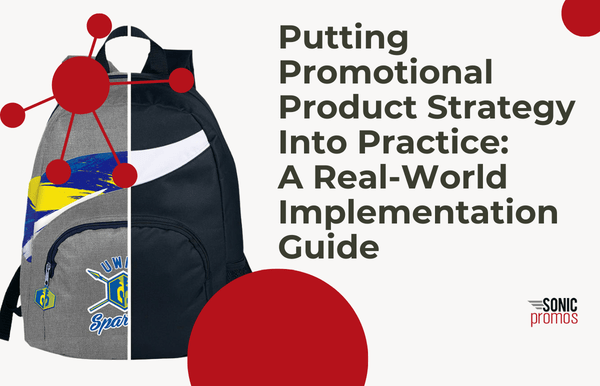
Understanding promotional product strategy is one thing. Actually implementing it effectively is another. The gap between knowing what makes sense and executing campaigns that deliver results is where many marketing initiatives falter.
This guide bridges that gap with practical frameworks and real-world examples that transform strategic thinking into actionable promotional product campaigns.
Start With Audience Context Mapping
Effective promotional product selection begins with understanding where your audience is when they think about your services. Create a context map for your primary audience segments.
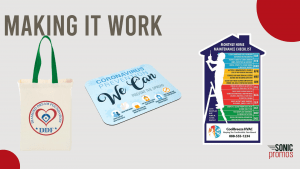
Home services: HVAC or plumbing customers need you when something breaks—typically at home in the kitchen. Strategic products include refrigerator magnets with maintenance calendars and kitchen organizational tools with seasonal reminders.
Professional services: Financial advisors or consultants serve clients at their workplace during workdays. Strategic products include sophisticated desk accessories, quality notebooks for meetings, and premium pens for client interactions.
Event sponsors: Brand association happens during events and afterward. Strategic products include wearables that create visibility during events and functional items that extend brand presence beyond event day.
This context mapping eliminates guesswork and creates natural strategic fit between what you give and when recipients engage with your brand.
Build Audience Lifestyle Profiles
Move beyond demographics to understand how your target audience actually lives and identifies.
What do they value? Products aligning with values like sustainability, innovation, or community resonate deeper than generic items.
What problems do they face? Daily frustrations your products could solve become opportunities for meaningful utility.
What’s their quality threshold? Products below that threshold create negative associations; products exceeding it build positive connections.
A tech startup audience expects modern, innovative products. A manufacturing industry audience values durability and practical utility. A wellness brand’s audience wants sustainable options. Generic approaches ignore these critical differences.
The Creative Elevation Framework
Every product category has potential for creative elevation—making it more desirable without dramatically increasing costs:
Placement innovation: Try shoulder, sleeve, or back positioning instead of standard chest logos. Unexpected placement reads as more sophisticated.
Color strategy: Explore complementary palettes that maintain brand recognition while increasing wearability or aesthetic appeal.
Message over logo: Clever taglines or inspiring phrases often create more connection than prominent logo placement.
Design cohesion: Creating a collection with consistent design language rather than random items builds brand recognition.
Real Campaign Example: Employee Onboarding Kit
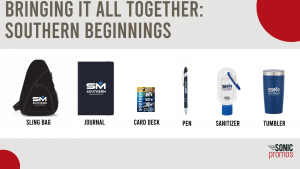
Theory becomes practical when applied to specific scenarios. New employees start with high excitement and want to feel welcomed immediately.
Strategic product selection: Create a thoughtful welcome kit with 3-4 premium items:
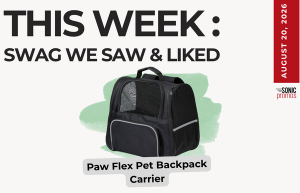
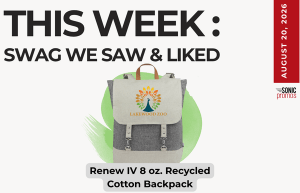
- Quality backpack or messenger bag (immediately useful for commuting)
- Premium water bottle (daily desk item signaling environmental consciousness)
- Heavyweight hoodie or quarter-zip (comfortable for casual office days)
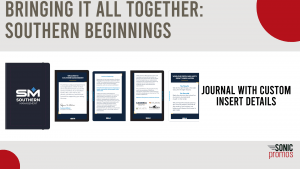
- Quality notebook with welcome message inside
Creative elevation: Custom packaging, coordinated design language, unexpected color palette, subtle branding that reads sophisticated.
Expected outcomes: New employees arrive with branded items they’re excited to use, share unboxing on social media, and form positive associations with joining the company.
Cost consideration: Kit might cost $75-100 per person versus random $200 spent across a year on cheap items—the strategic kit delivers far superior impact.
Recognition Program Implementation
Recognition programs represent another high-impact application. Moving beyond generic “years of service” awards to collectible, meaningful recognition builds culture.
Program structure: Define clear achievement levels and associate each with specific recognition items that build toward a collection.
Product criteria: Items should be displayable, collectible, quality-constructed, and visually distinctive for different levels.
Examples: Quarterly achievement pins with different colors, annual milestone awards building into larger displays, project completion challenge coins, or service anniversary pieces combining into perpetual trophies.
Success factors: Clear earning criteria, consistent quality, genuine scarcity, public recognition when awarded, and employee input in program design.
Event Sponsorship Strategy
Event sponsorships provide concentrated opportunities but most organizations waste this potential with poor product choices.
Pre-event: Send registered attendees something useful that builds anticipation and increases attendance likelihood.
At-event: Focus on wearables (shirts, hats, pins) that turn attendees into walking brand ambassadors during the event.
Post-event: Items with extended utility keep your brand present as attendees return to routines—quality bags for gym or work, drinkware used daily, apparel worn regularly.
The most sophisticated sponsors plan these three phases deliberately rather than ordering random swag bags.
Measuring What Actually Matters
Traditional metrics—cost per item, number distributed—miss what matters: meaningful brand impressions and lasting associations.
Better metrics to track:
- Usage duration and frequency (survey recipients after 3 and 6 months)
- Social sharing and voluntary brand display
- Recipient sentiment and perceived value
- Secondary exposure (how many others see items in use)
- Brand attribute association (does quality align with brand perception goals)
These qualitative and long-term measurements better capture real promotional product impact.
From Strategy to Execution Checklist
Transform strategic thinking into successful campaigns systematically:
- Map audience context: where they are when they think of you
- Build lifestyle profiles: what they value and need
- Define clear campaign objectives
- Select products matching context and objectives
- Apply creative elevation framework
- Order samples and test quality
- Plan distribution timing and method
- Create memorable presentation experience
- Establish measurement approach beyond distribution counting
- Collect feedback and refine for future campaigns
Following this approach removes guesswork and creates consistency in strategic promotional product execution.
Ready to transform your promotional product strategy from concept to successful campaign? Contact Sonic Promos at info@sonicpromos.com to discuss how we help translate strategic thinking into practical implementation with measurable results. Visit our catalog shop.sonicpromos.com